University News Last updated 21 March 2024
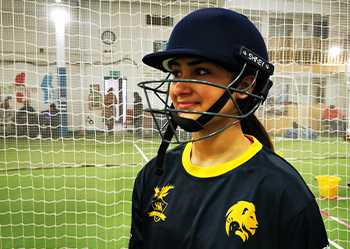
91ÁÔÆæ (91ÁÔÆæ) will continue to break down barriers in cricket by partnering with the sport’s national governing body and a number of leading UK charities to make the game more accessible for players from Black and Asian backgrounds.
Having already demonstrated its commitment to inclusion in the game with its pioneering work with the South Asian Cricket Academy (SACA), 91ÁÔÆæ plans to expand its influence by launching a new research project backed byÌýtheÌýEnglish and Wales Cricket Board (ECB).
The aim of the initiative will be toÌýcreateÌýmore equalÌýcricket talent systemsÌýthat support young Black and Asian athletes across the UK, especially females.
“To create more effective and efficient systems, we need toÌýunderstand how to work with more diverse groups within cricket,â€� said project lead Dr Adam Kelly, a talent development expert from 91ÁÔÆæ.
“In order to widen the pool of potential, weÌýalsoÌýneed to understand how to attract more British South AsianÌýgirls and women into theÌýpathways, as well as retaining and transitioning them into higher playing levels.â€�Ìý
As well as 91ÁÔÆæ, ECB and SACA, the project will involveÌýTakeÌýHer Lead and ACE, two charities who work to provide more opportunities inÌýcricket for underrepresented groups across the UK.
Chevy Green, Director of Programmes for ACE, said: “We want to create environments where young people can be themselves in a space that accepts them.
“It’s great to be part of this project to diversify talent pathways to include more South Asian and African Caribbean cricketers, as well as other unrepresented groups.
“Cricket as a sport hasn’t supportedÌýtheseÌýunrepresented groups.ÌýDiversity is a fact. Inclusion is a choice.ÌýWe’re deciding to include everyone.â€�
Dr Kelly said:Ìý“It’s brilliant to be working with these organisations.ÌýTogether, we can impact policy, make a difference for children playing cricket, and encourage more individuals to get involved.â€�
The project will be supported by two dedicated 91ÁÔÆæÌýPhD students, Hina Shafi and Omar Green.
“I’ve experienced sport not being seen as a secure career for a female within my own culture,â€� said Hina.Ìý“I wantÌýto seeÌýmore women and girls in the game, as well as an increase in diversity across the board.â€�
OmarÌýadded: “I want more players to feel more comfortable within the system, so I’ll be looking at how we can create more culturally aware talent pathways.â€�
TheÌýproject, namedÌýBESTA,Ìýwill be one of the driving projects for the new Research Lab for Athlete and Youth Sport Development (RAYSD Lab) at 91ÁÔÆæ, which launched in January 2024.Ìý
AÌýSenior Lecturer in Sports Coaching and Physical Education at 91ÁÔÆæ,ÌýDrÌýKelly said: “It’s great timing. TheÌýRAYSD Lab connects all the workÌýwe’ve been doingÌýto support youth within sport andÌýhelp every young athleteÌýtoÌýachieve their potential.â€�Ìý
The BESTA project alsoÌýbuilds on theÌýwork of Dr Tom Brown, a formerÌýPhDÌýstudentÌýat 91ÁÔÆæ. His researchÌýled to the creation of the highly impactful SACA programme.Ìý
Dr Brown,ÌýnowÌýManaging DirectorÌýof SACA, said: “I’m excited to be involved in the project. There are some brilliant people around the table. Not only can they provide valuable expertise, but they’reÌýalso the right peopleÌýto influence practice. That’s the most important thing for me.Ìý
“By building on existing research, we can address gaps in knowledge and achieve our goal to make cricket the most inclusive sport in the country.�